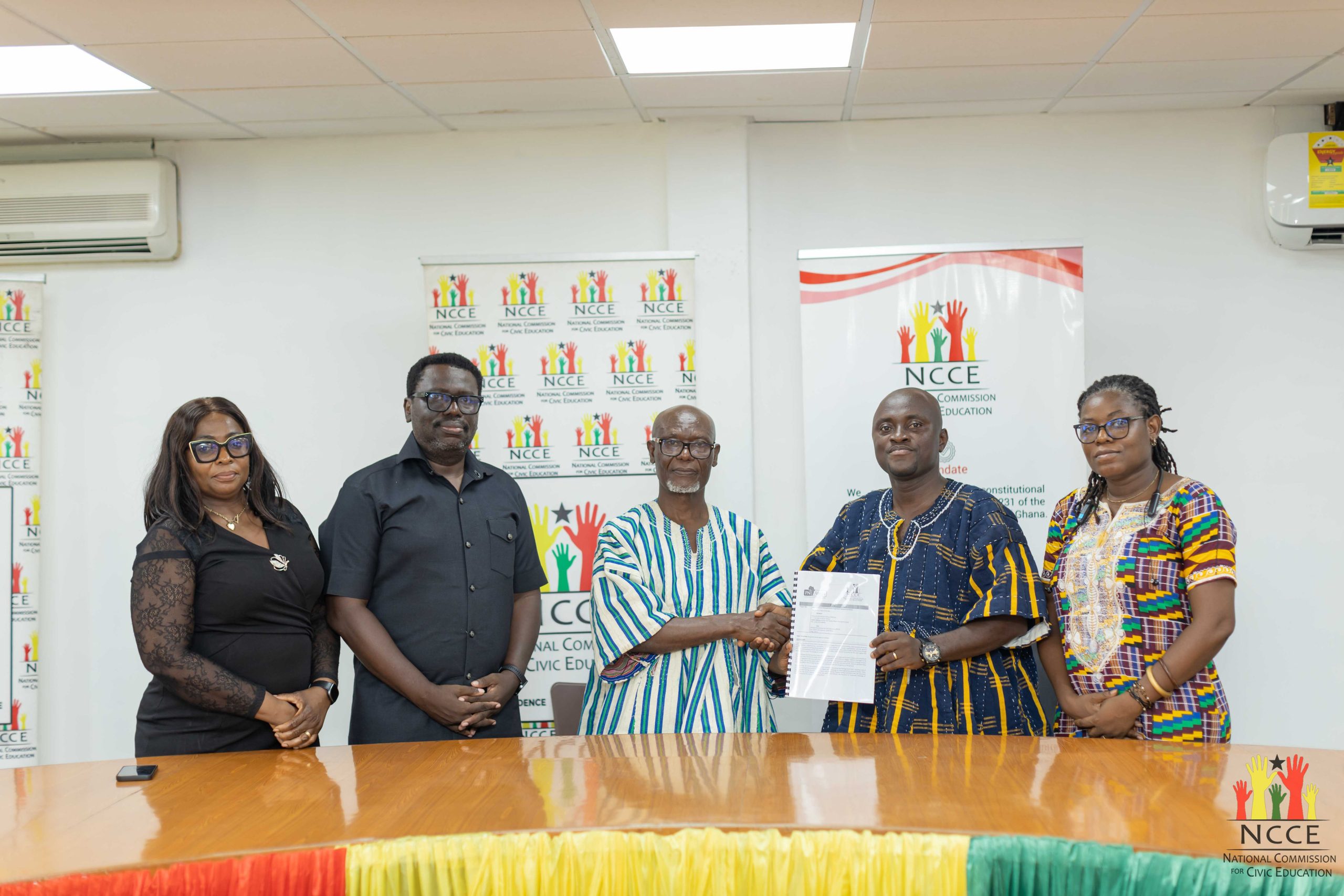
Bridging the Gap: PNAfrica and NCCE Partner to Deepen Citizen Participation in Lawmaking
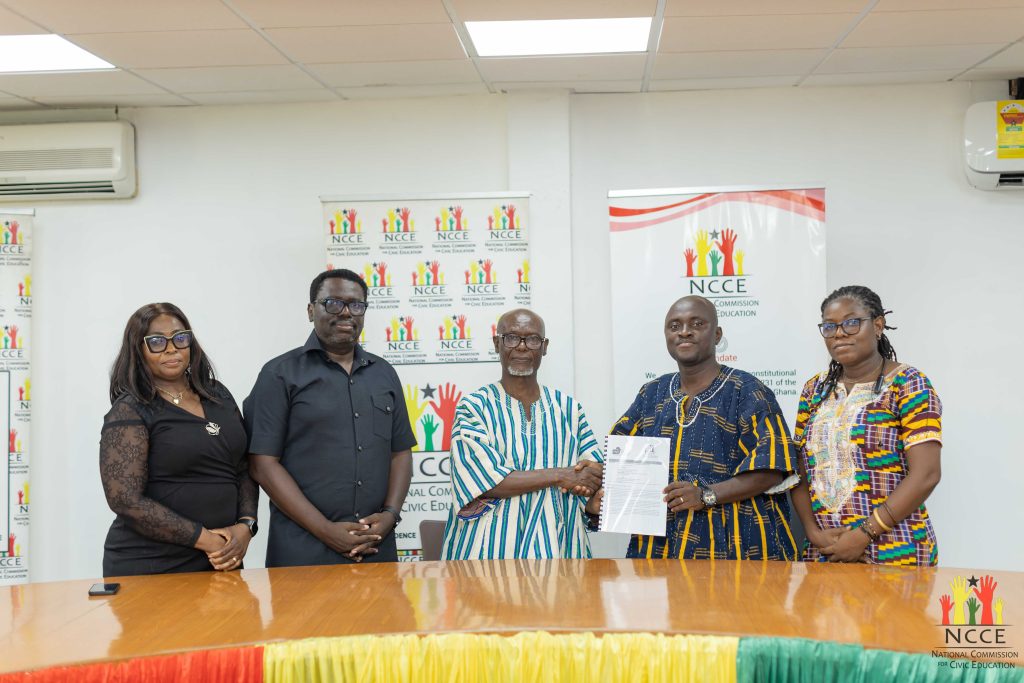
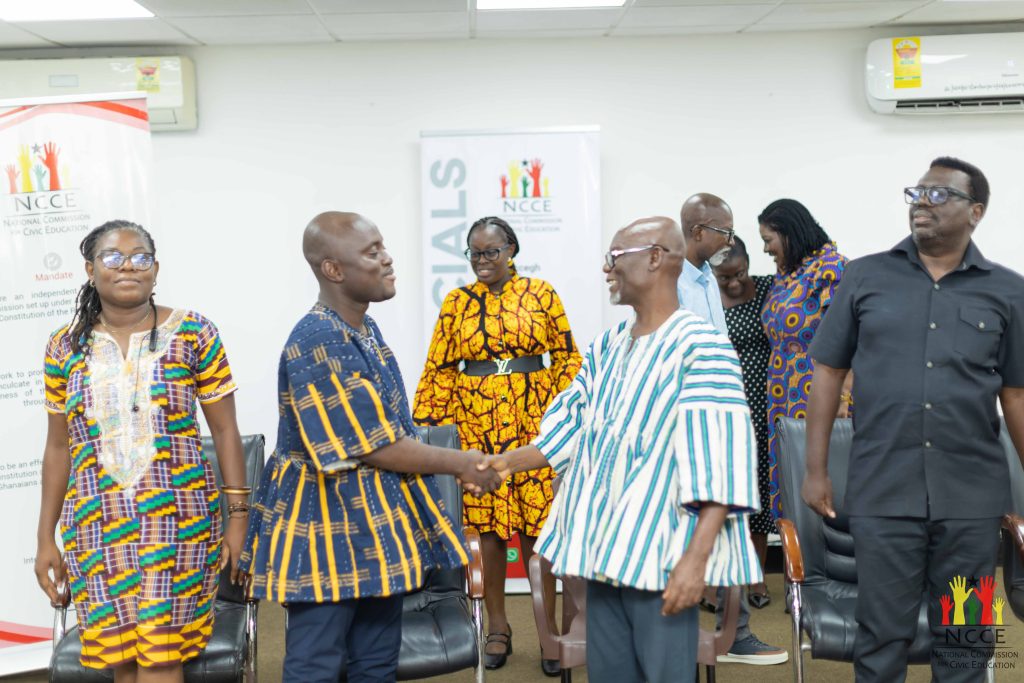
In a renewed effort to strengthen democratic governance and promote inclusive civic engagement, Parliamentary Network Africa (PNAfrica) has signed a Memorandum of Understanding (MoU) with the National Commission for Civic Education (NCCE).
The partnership is aimed at enhancing the dissemination of parliamentary information to grassroots communities across Ghana, addressing longstanding barriers that limit citizen participation in legislative processes.
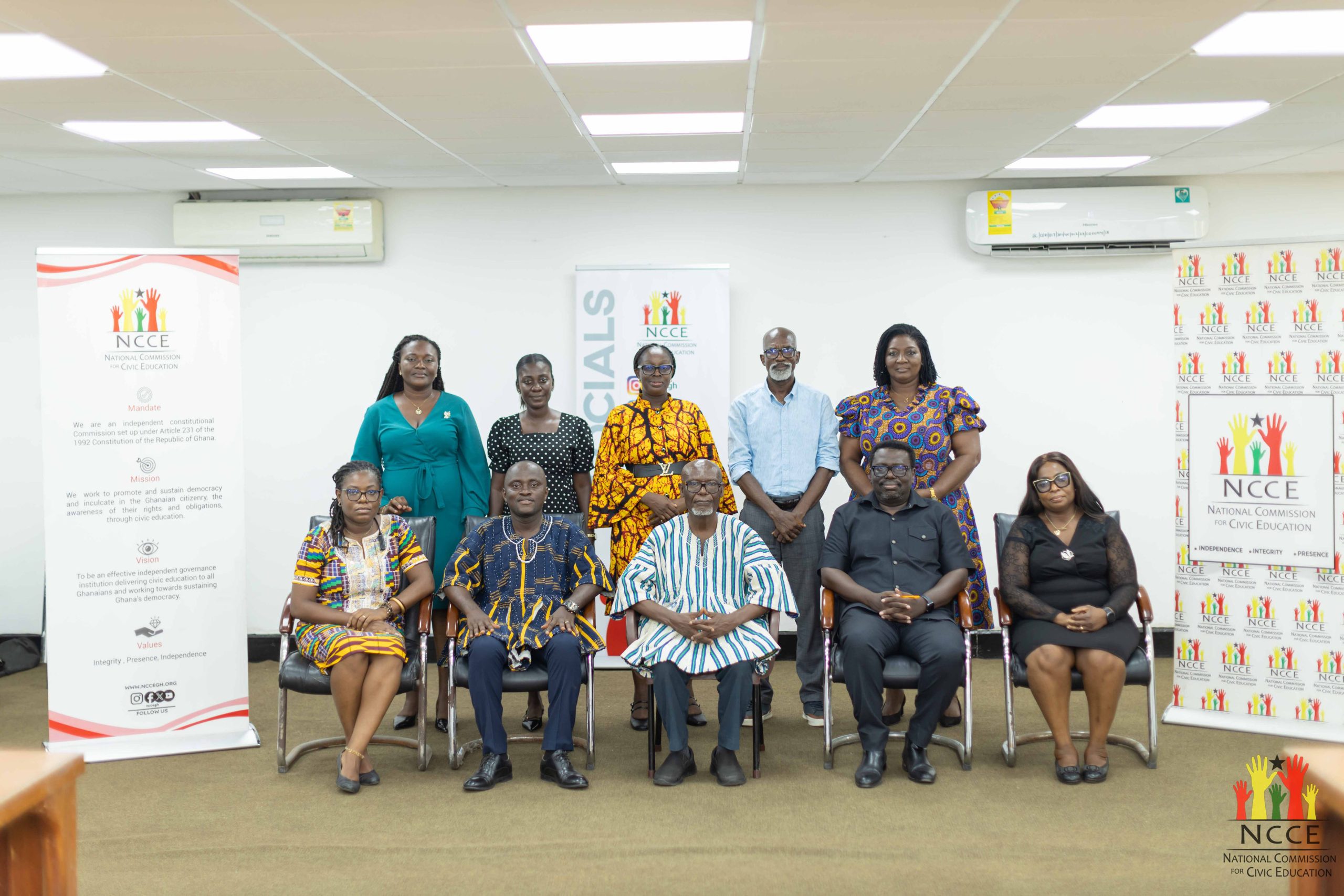
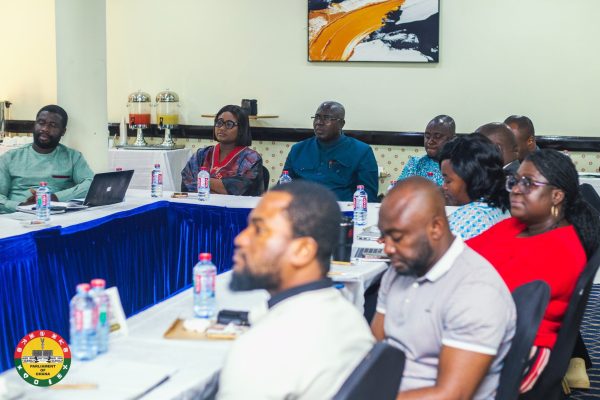
The meeting was attended by key officials from both institutions. Representing NCCE were Mr. Samuel A. Akuamoah, the Deputy Chairman, Operations; Mr. Victor Brobbey, Deputy Chairman, General Services; Mrs. Lucille Hewlett-Annan, Commission Secretary; Dr. Imrana Mohammed, Director of Programmes; Dr. Henrietta Asante-Sarpong, Director of Research, Monitoring and Evaluation; Monica Mamattah, Director of Finance; Ruth Boapong, Assistant Director; and Gifty Taylor-Nketiah, Principal Civic Education Officer. PNAfrica was also represented by Mr. Sammy Obeng, Executive Director and Ms. Joana Oppong, Corporate Affairs Officer.
Speaking at the signing ceremony, Mr. Sammy Obeng underscored a critical concern: the persistently low level of citizen involvement in lawmaking.
Drawing from recent parliamentary data, he highlighted that in the first year of the current 9th Parliament, only 3 out of 39 laws passed included provisions for public memoranda.
This statistic reflects a systemic gap in participatory governance, where the majority of legislation is enacted without structured input from the citizenry.
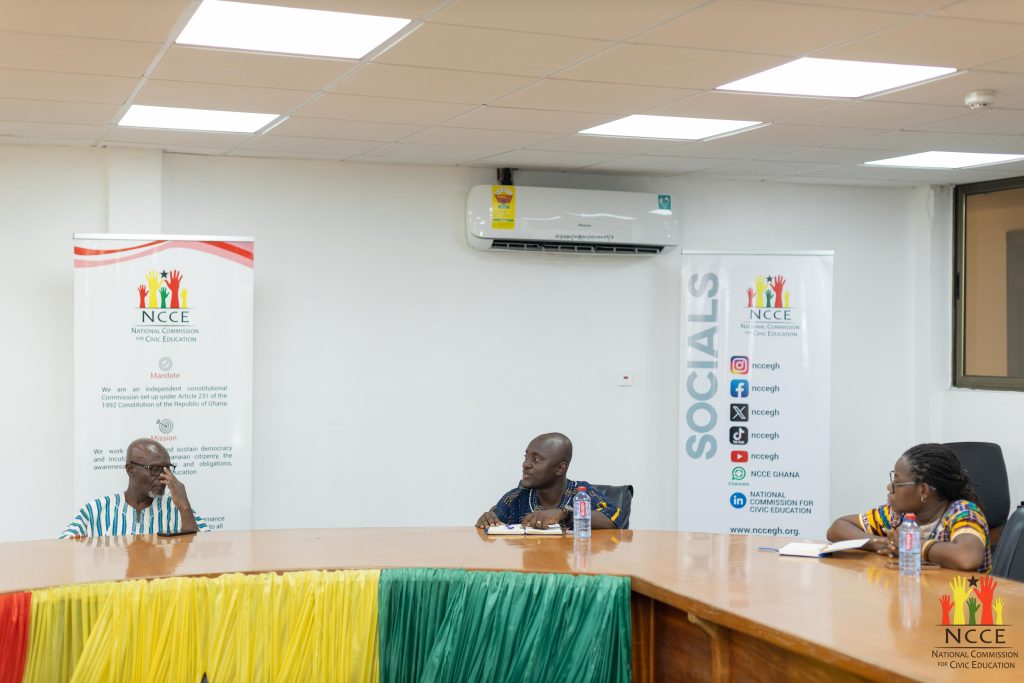
Mr. Obeng further noted that a significant number of these laws were passed under certificate of urgency procedures, a mechanism that often accelerates legislative timelines but simultaneously limits opportunities for public scrutiny and engagement. While such procedures may be justified in specific contexts, their frequent use raises important questions about transparency and inclusiveness in the legislative process.
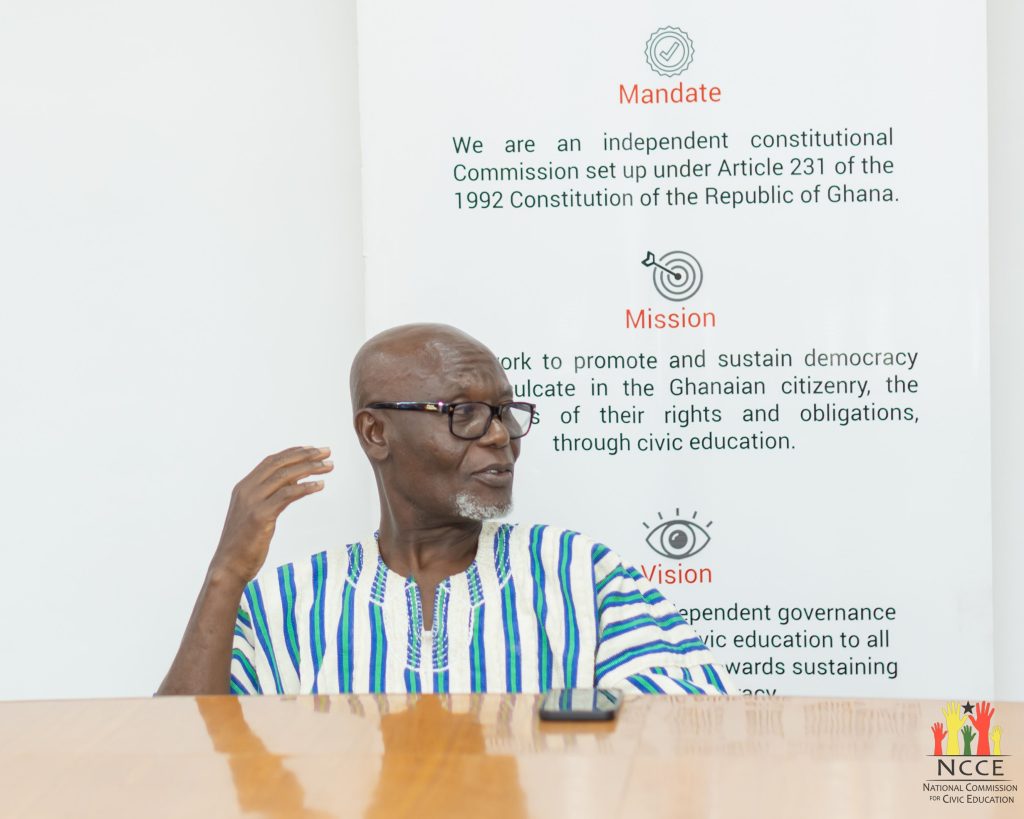
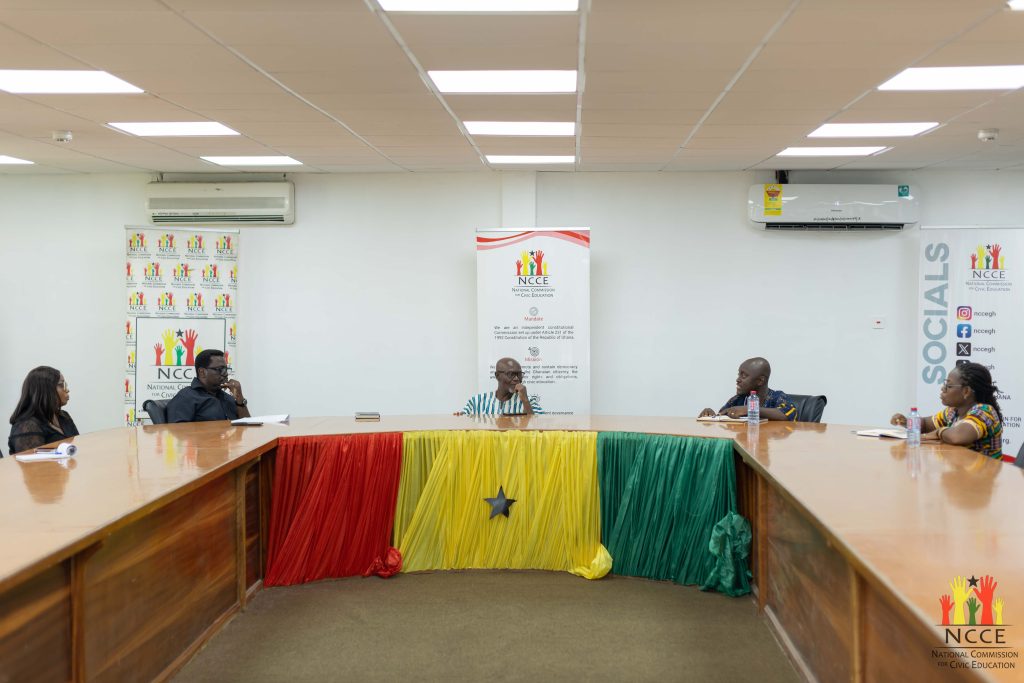
Mr. Samuel A. Akuamoah, led the deliberations during the meeting. The discussions brought to light several structural constraints that continue to inhibit effective citizen participation.
Key among these are information asymmetries where citizens lack timely and accessible information about pending legislation and a disconnect between the constitutional mandate of Members of Parliament (MPs) and the expectations they communicate to their constituents.
This misalignment not only undermines accountability but also weakens trust in democratic institutions.
Officials present at the meeting emphasized that addressing these challenges requires a multi-pronged approach. Central to this is improving access to simplified, relevant, and timely parliamentary information, particularly at the community level. The MoU between PNAfrica and NCCE is therefore strategically positioned to leverage NCCE’s nationwide civic education infrastructure alongside PNAfrica’s expertise in parliamentary engagement and monitoring.
Through this collaboration, both institutions aim to operationalize targeted civic education campaigns, community dialogues, and media engagements that demystify legislative processes and empower citizens to contribute meaningfully. By doing so, they seek to transform citizens from passive observers into active stakeholders in governance.
Ultimately, this partnership reflects a broader recognition that democratic consolidation is contingent not just on institutional frameworks, but on the active participation of an informed citizenry. Strengthening this participation is not merely a normative goal; it is a practical necessity for responsive, accountable, and effective governance in Ghana.