Open Parliament Working Group Tightens Implementation Drive with Concrete Action Steps
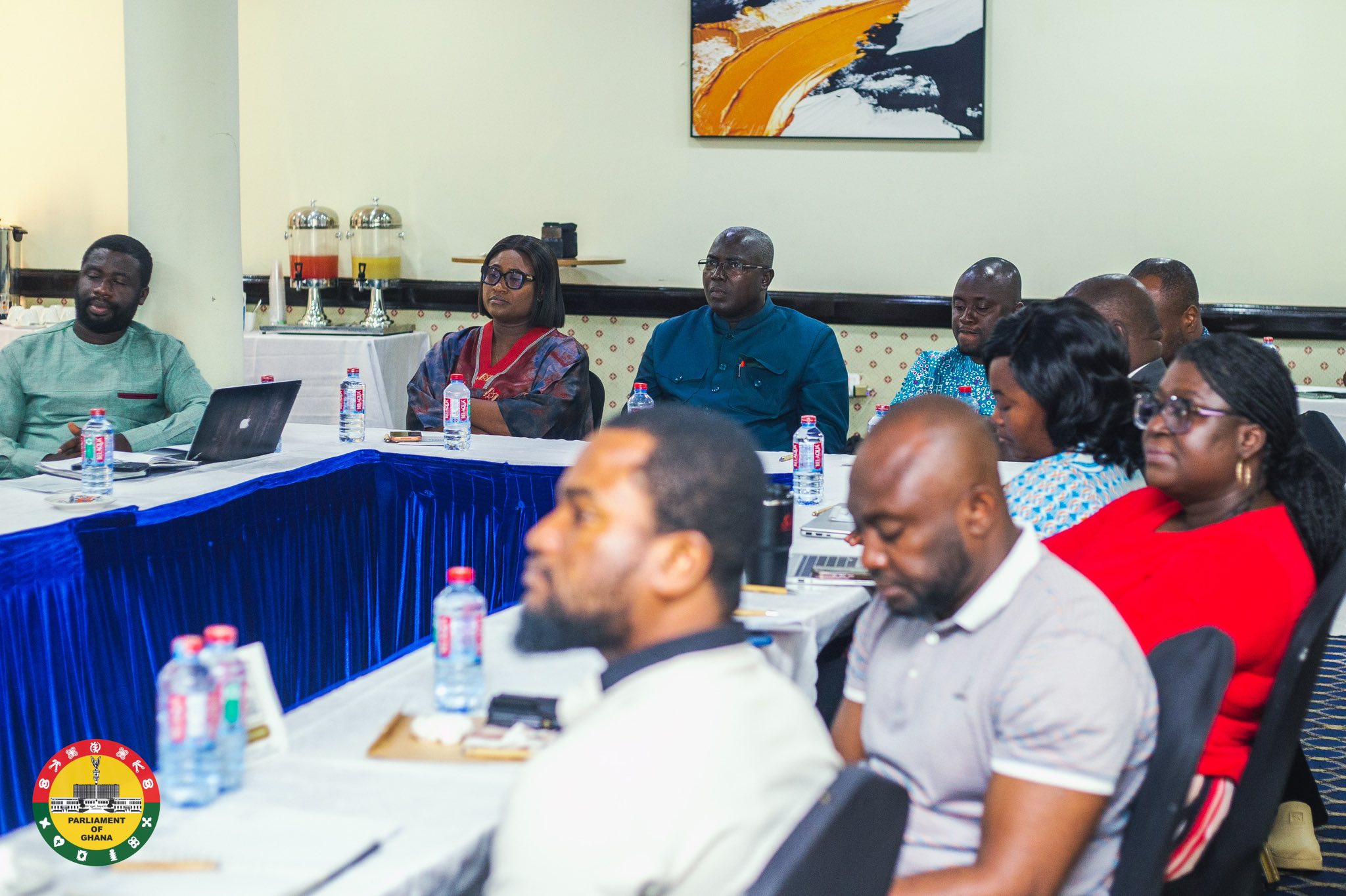
Civil Society Organisations and the Parliament of Ghana Open Parliament Working Group have intensified efforts to accelerate the implementation of Ghana’s Open Parliament commitments through a focused strategic workshop and coordination session aimed at strengthening execution, communication, and accountability systems.
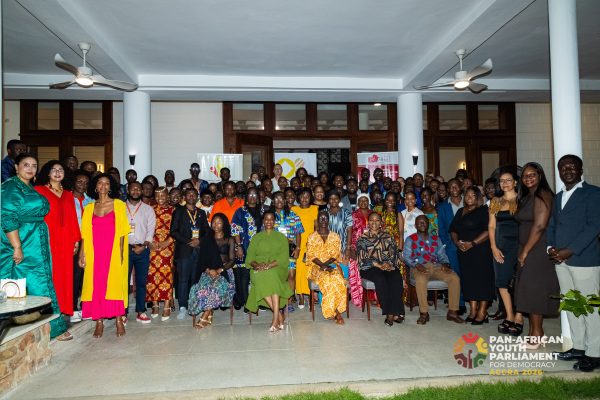
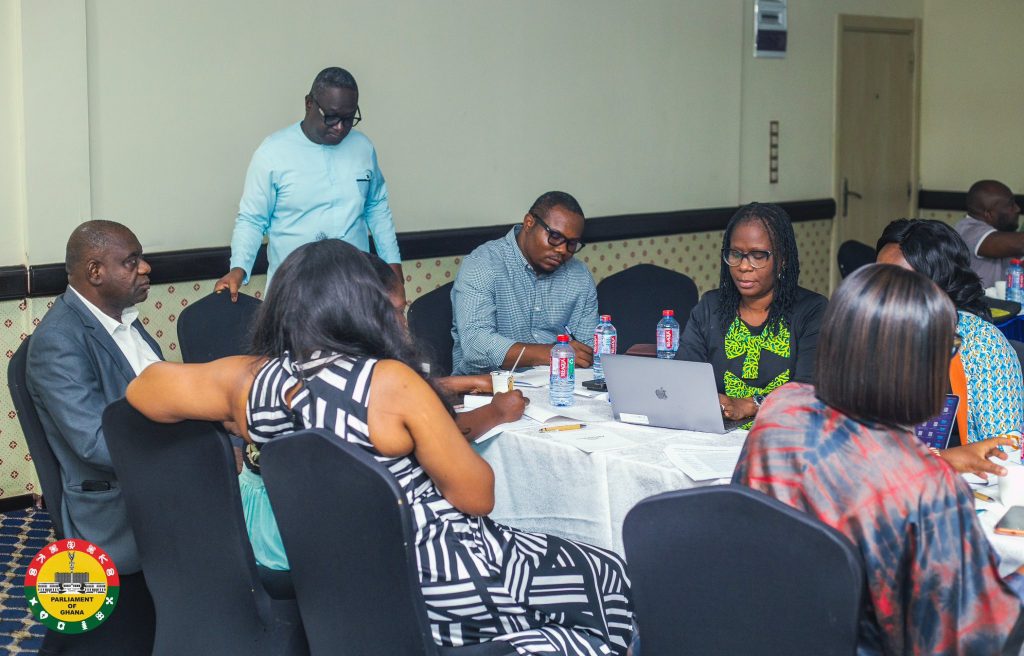
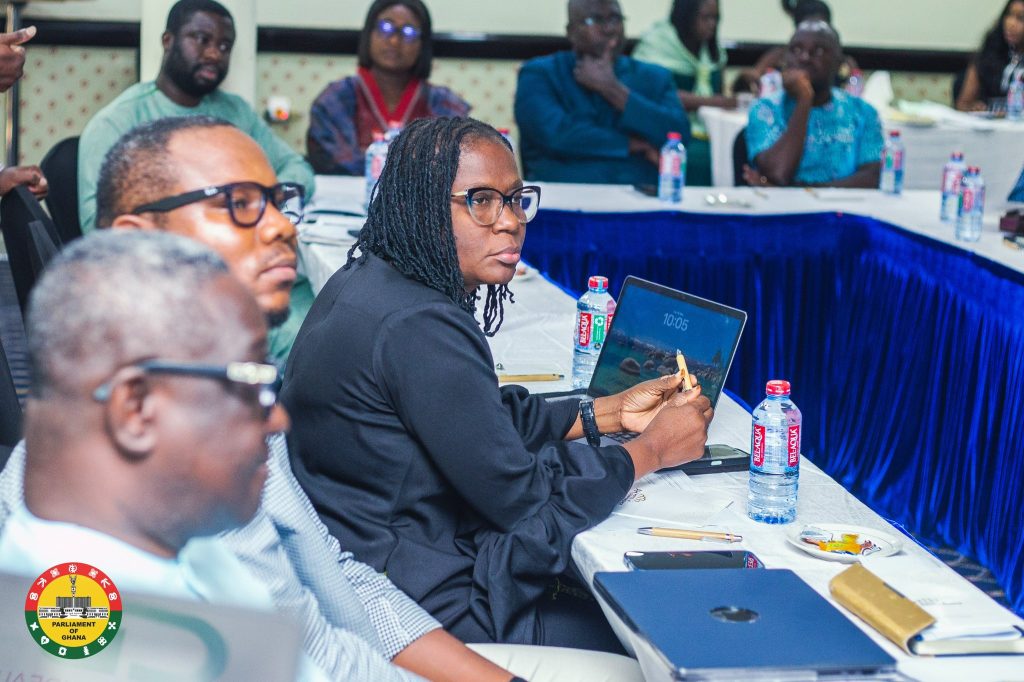
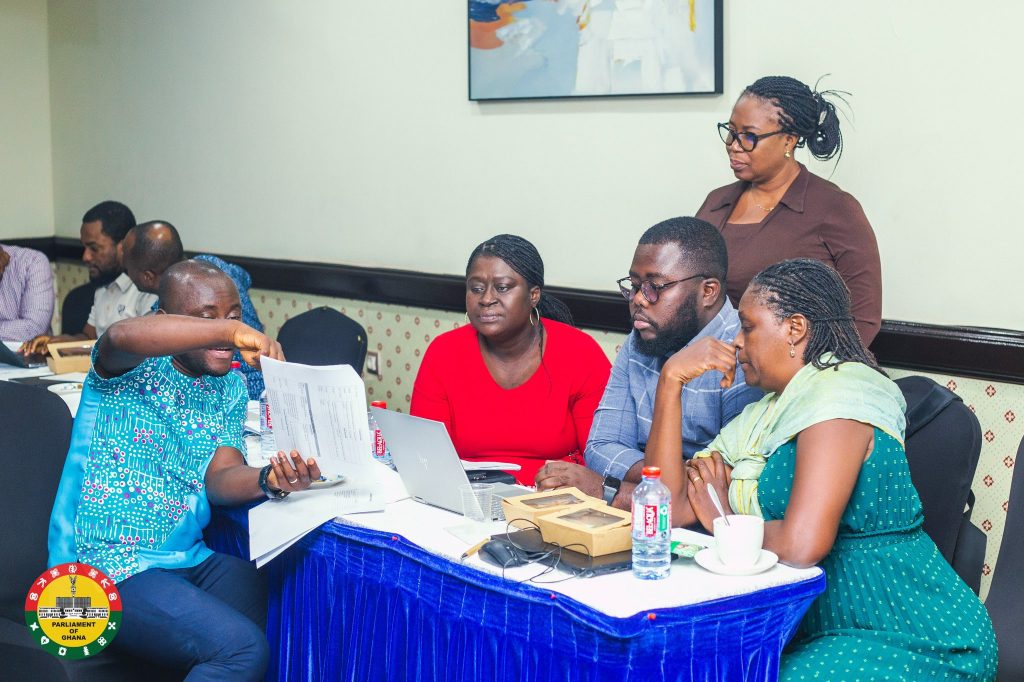
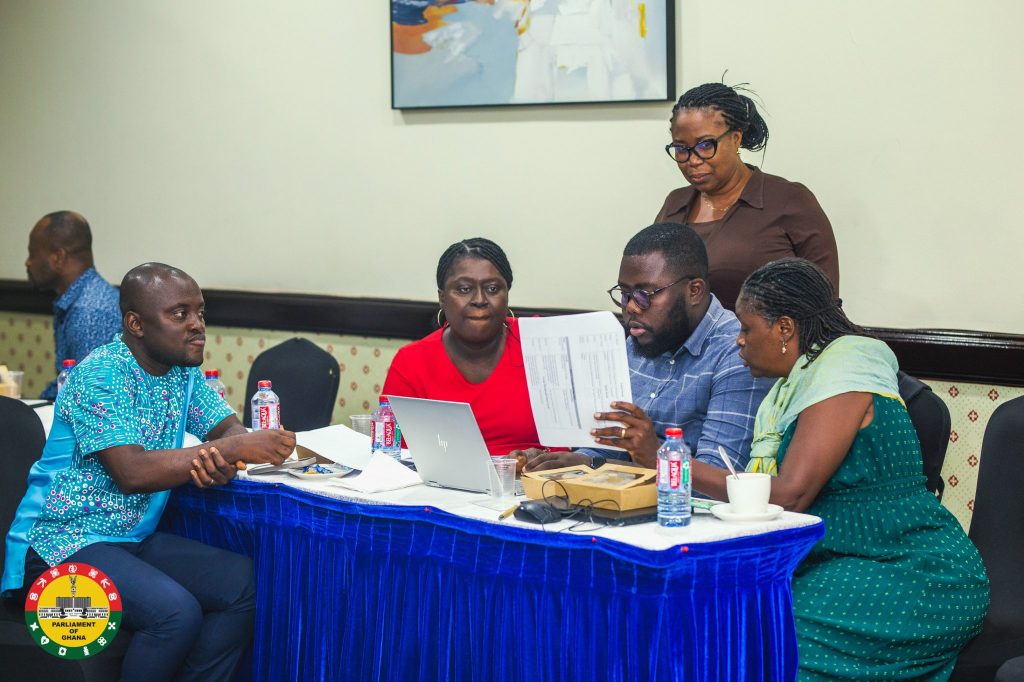
The two days engagements brought together Civil Society Organisations including Parliamentary Network Africa, Penplusbyte, Ghana Anti-Corruption Coalition, Transparency International Ghana, Centre for Human Rights Initiatives, ACEPA, NORSAAC, BudgIT, Odekro, and a representative of the National OGP Secretariat. On the Parliamentary side, participation included the Chair of the OGP Caucus in Parliament, representatives of the Clerkship, and units under Public Engagement, the Citizens Bureau, ICT, Research, and Media and Broadcasting.
The engagements mark a deliberate shift from commitments to implementation, with stakeholders prioritizing measurable delivery, stronger institutional coordination, and enhanced public accountability across all implementing actors.
Participants conducted a detailed review of progress, identified key operational bottlenecks, and agreed on a set of concrete action points to strengthen coordination between Parliament, civil society, and implementing departments.
A key outcome was the agreement to roll out an immediate, structured sensitization process across Parliament targeting directors, departmental heads, and staff to improve understanding of Open Parliament commitments and clarify implementation responsibilities.
Participants also called for the establishment of a joint communication platform to enable real-time coordination, information sharing, and systematic tracking of implementation progress. The platform is expected to serve as a central tool for monitoring agreed actions and ensuring timely follow-up.
The Working Group further agreed to elevate implementation oversight to the Steering Committee level and directed parliamentary departments to formally integrate Open Parliament commitments into their routine operational plans to strengthen institutional ownership and sustainability.
Stakeholders emphasized the need to institutionalize monitoring systems, including dashboards and structured reporting tools, to ensure continuous tracking of progress and strengthen accountability for delivery.
The session reaffirmed the importance of translating commitments into measurable results and deepening collaboration between Parliament and Civil Society Organisations to enhance transparency, expand citizen engagement, and strengthen public trust in Ghana’s democratic governance processes.