
From Proximity to Practice: Rethinking Parliamentary Decentralization in Ghana
Calls to “bring Parliament closer to the people” have become a familiar refrain in Ghana’s governance discourse. It is an appealing proposition, intuitive, persuasive, and politically resonant. Yet, emerging patterns from across the country suggest that the real challenge may not be one of physical distance, but of how effectively the relationship between Parliament and citizens actually functions.
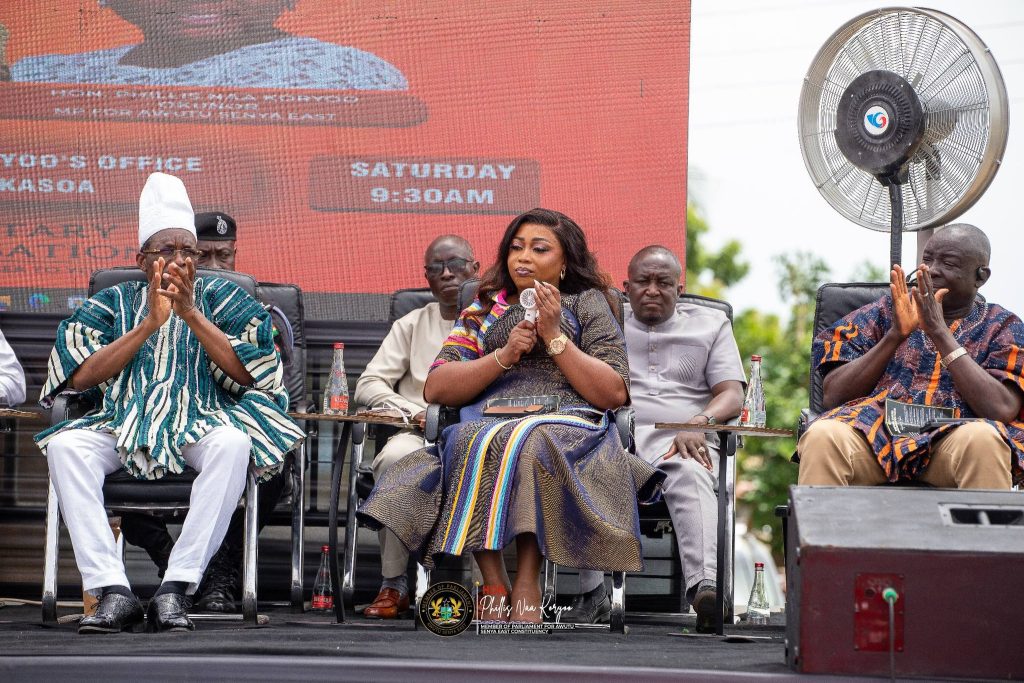
Recent developments at the constituency level are beginning to shift this conversation in subtle but important ways. In Awutu Senya East, a maiden Traditional Leaders and Stakeholders Forum convened by Member of Parliament Hon. Phyllis Naa Koryoo Okunor brought together chiefs, opinion leaders, and community actors to deliberate on issues of development, peace, and security. The presence of the Speaker of Parliament and fellow MPs elevated the forum beyond a routine engagement, creating a rare interface between national legislative leadership and grassroots stakeholders. It was not simply an event; it was a demonstration of how structured dialogue can ground parliamentary work in lived community realities.
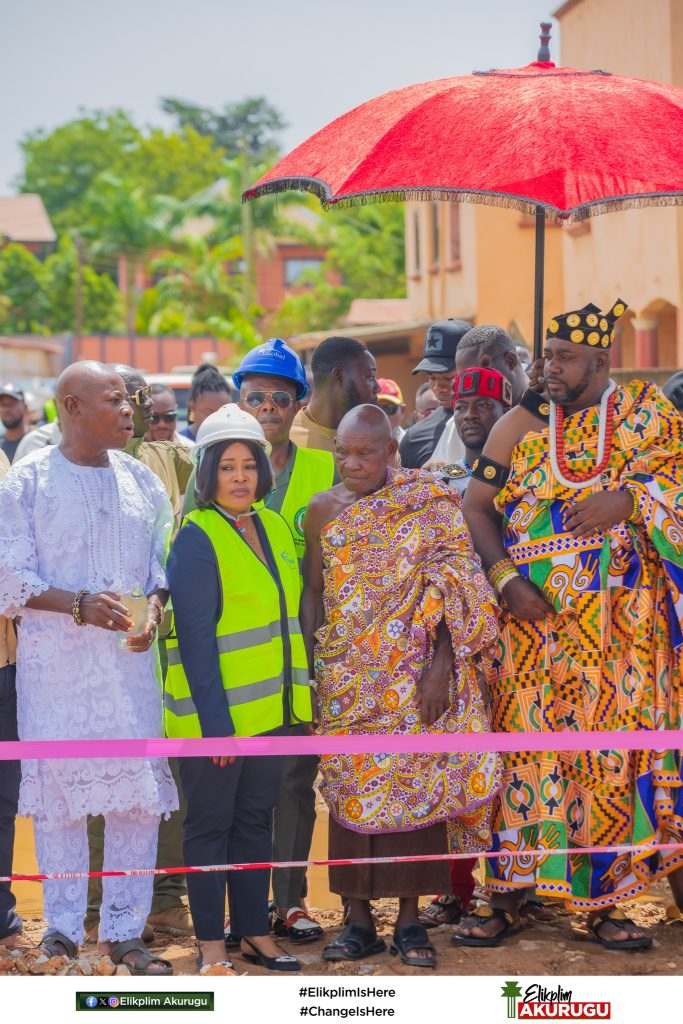
A similar dynamic is unfolded in Dome-Kwabenya, where Hon. Elikplim Akurugu’s 2026 State of the Constituency Address reflected more than a catalogue of infrastructure achievements.
Alongside updates on road construction, street lighting, and school rehabilitation, there was a deliberate effort to strengthen citizen feedback mechanisms through a functioning constituency office.
Here, engagement is becoming less episodic and more embedded translating into an ongoing process rather than a periodic gesture.
Taken together, these examples point to a broader shift in how parliamentary engagement is being understood and practiced. Ghana’s governance framework already provides multiple channels for interaction between citizens and Parliament. Members of Parliament operate within District Assembly systems, while Assembly Members serve as conduits for local priorities. In theory, this creates a layered feedback structure linking communities to national decision-making. In practice, however, these linkages have not always been consistently activated or sustained, contributing to a persistent perception that Parliament remains distant from the people it represents.
What is emerging now is a reframing of the problem. The issue is less about proximity as a physical condition and more about functionality as an institutional practice. Where engagement is informal, irregular, or fragmented, the connection between citizens and Parliament weakens. Where it is structured, predictable, and visible, that connection begins to strengthen regardless of geography.
This distinction carries important implications for ongoing discussions around parliamentary decentralization. Much of the debate has focused on the idea of relocating or extending parliamentary presence to subnational levels. While this may have symbolic value, it risks overlooking a more immediate and practical opportunity: improving the effectiveness of existing systems. Strengthening coordination between Parliament and local governance structures, institutionalizing regular forums for citizen engagement, and enhancing the visibility of parliamentary work may achieve more tangible results than creating entirely new institutional layers.
There is also a deeper recalibration taking place. For decades, public expectations have positioned Members of Parliament as central actors in local development delivery. While decentralization reforms have redistributed many of these responsibilities, the expectations themselves have been slower to evolve. By creating structured platforms that link citizen engagement to both legislative processes and development outcomes, current initiatives are beginning to realign this relationship, anchoring representation more firmly within Parliament’s constitutional mandate while remaining responsive to community needs.
The significance of these developments lies not in their scale, but in their direction. They suggest that the path toward more inclusive and responsive governance may not require sweeping structural reforms, but rather a more deliberate activation of systems that already exist. The focus shifts from building new channels to making existing ones work consistently, visibly, and effectively.
As Ghana continues to reflect on how best to deepen democratic engagement, the question may need to evolve. It is no longer simply about bringing Parliament closer to the people. It is about ensuring that the systems connecting them are functional, reliable, and capable of translating citizen voices into meaningful governance outcomes. In that sense, the distance that matters most is not measured in kilometres, but in the strength or weakness of the links that bind institutions to the citizens they serve.
The author of this Article is a governance and communications fellow and Programmes Officer at Parliamentary Network Africa, with over ten years’ experience in journalism, parliamentary reporting, and policy engagement. She leads initiatives on parliamentary monitoring, citizen engagement, gender, youth, and inclusiveness, and the Crystal Ball Series (CBS) to promote legislative transparency and accountability
Florence Gbolu