Super-Majority, Super Responsibility: Reflections on Ghana’s Ninth Parliament
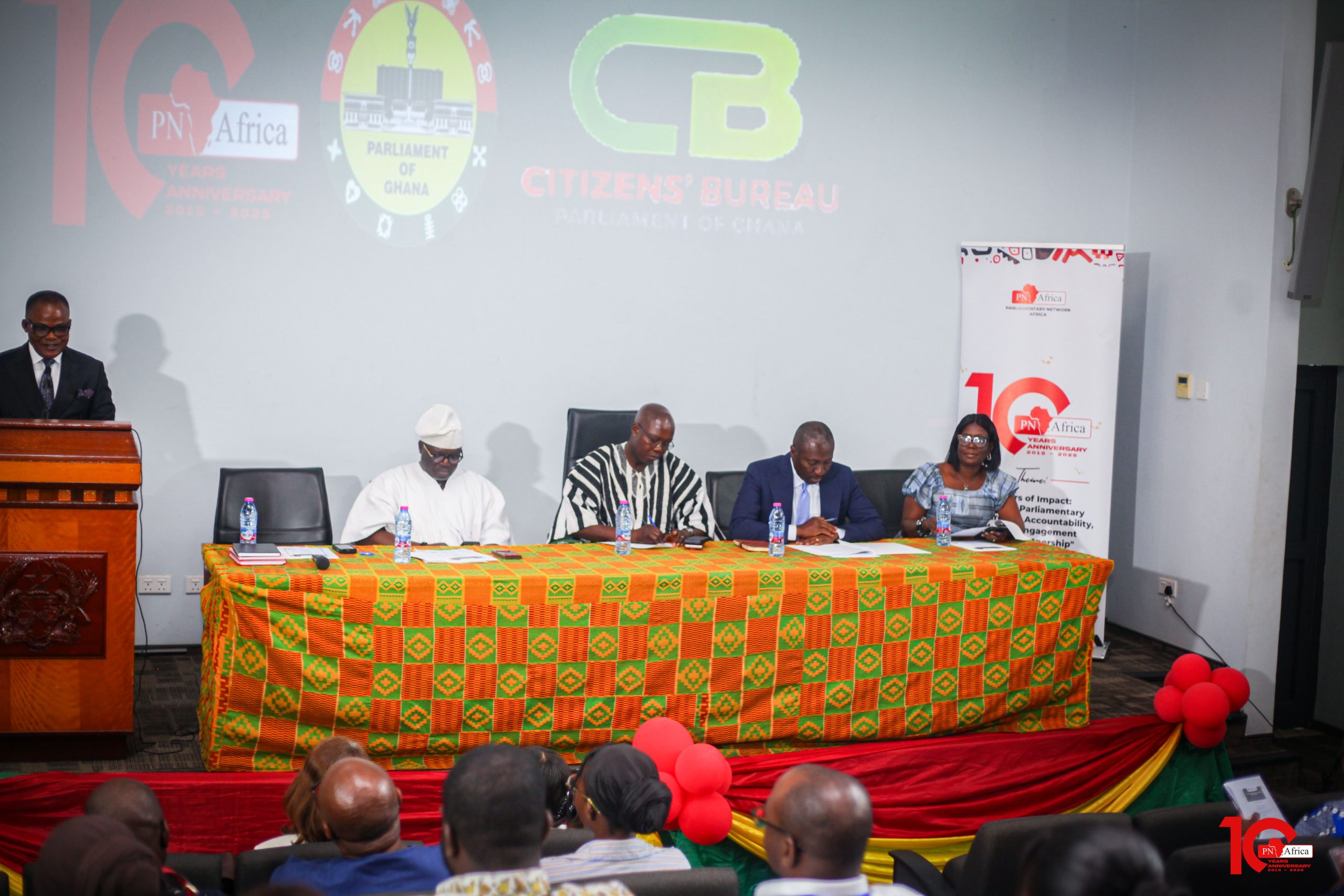
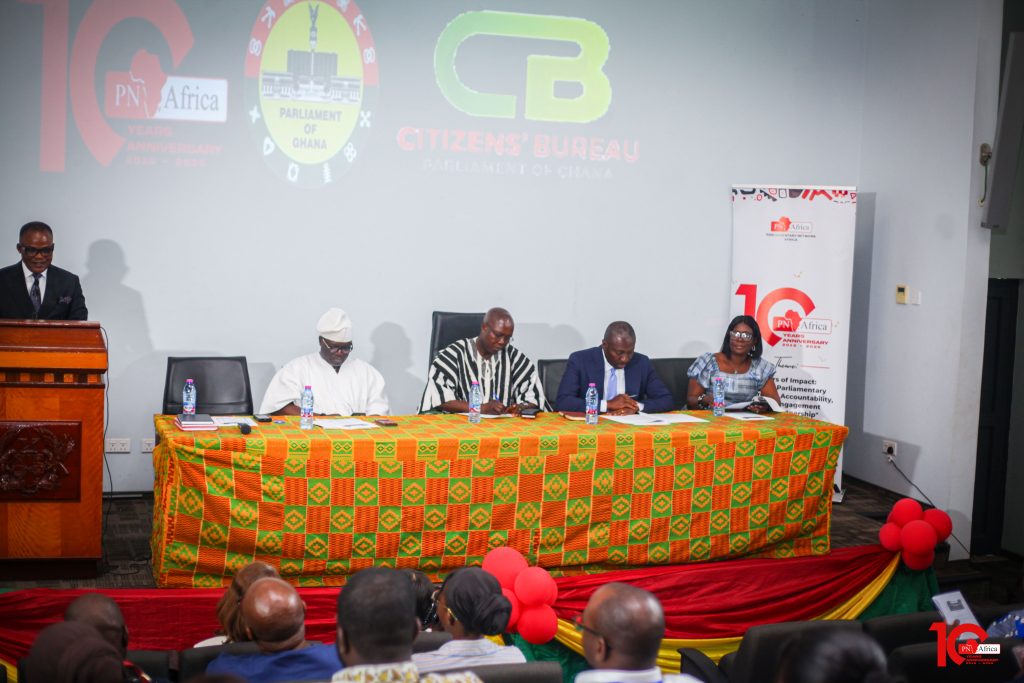
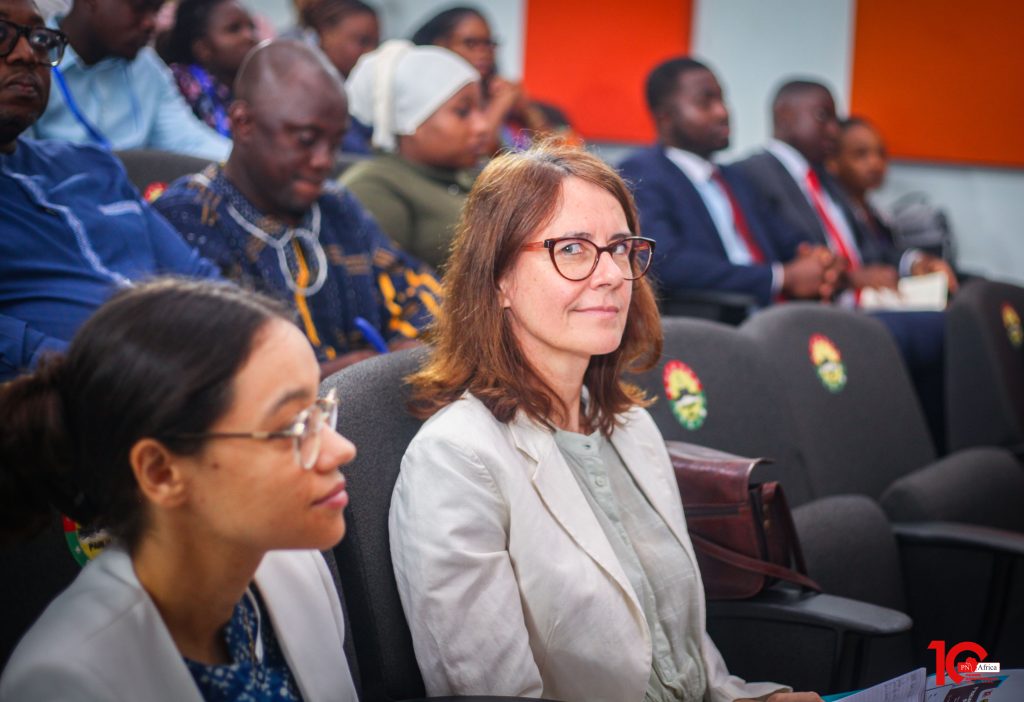
In parliamentary democracies, majority power is both an asset and a test of democratic maturity. A strong majority can accelerate legislative action and policy implementation, but it also raises critical questions about accountability, inclusiveness, and the protection of minority voices. These questions took center stage at the 9th edition of the Crystal Ball Series (CBS), where policymakers, civil society leaders, and parliamentary officials gathered to reflect on the first year of Ghana’s Ninth Parliament.
Organized by Parliamentary Network Africa in collaboration with the Citizens’ Bureau of Parliament, the forum provided a platform to examine how Ghana’s current parliamentary configuration widely described as a “super-majority parliament” is shaping legislative processes and democratic oversight.
The theme of the dialogue, “One Year of a Super-Majority Parliament: Reflections, Lessons, and the Way Forward,” captured the urgency of the moment. As Parliament navigates its first term under this configuration, the question is not simply whether legislation is being passed, but whether the processes behind those decisions remain transparent, inclusive, and accountable.
Legislative Efficiency Versus Democratic Scrutiny
One of the most debated findings from the parliamentary monitoring report presented at the forum concerned the use of the certificate of urgency procedure in legislative processes. According to the research, 34 out of the 39 bills passed during the session were processed under certificates of urgency.
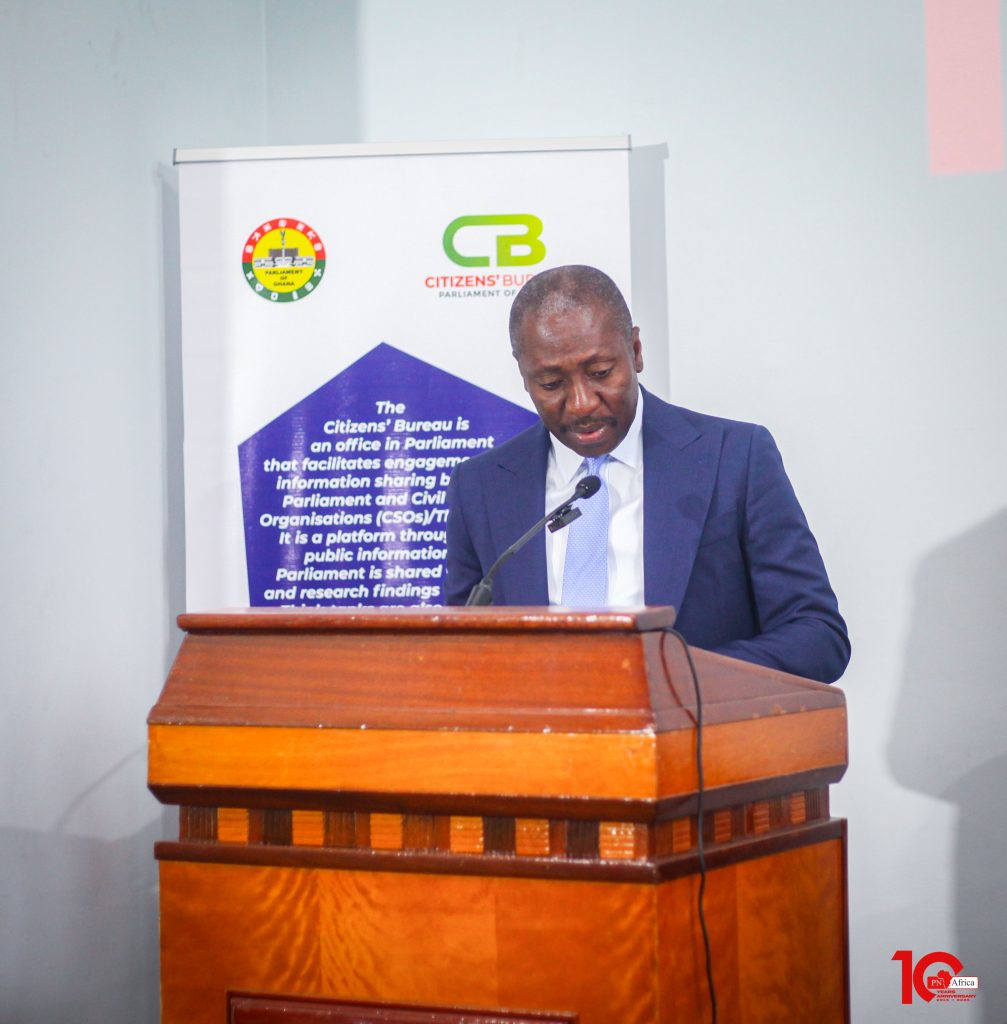
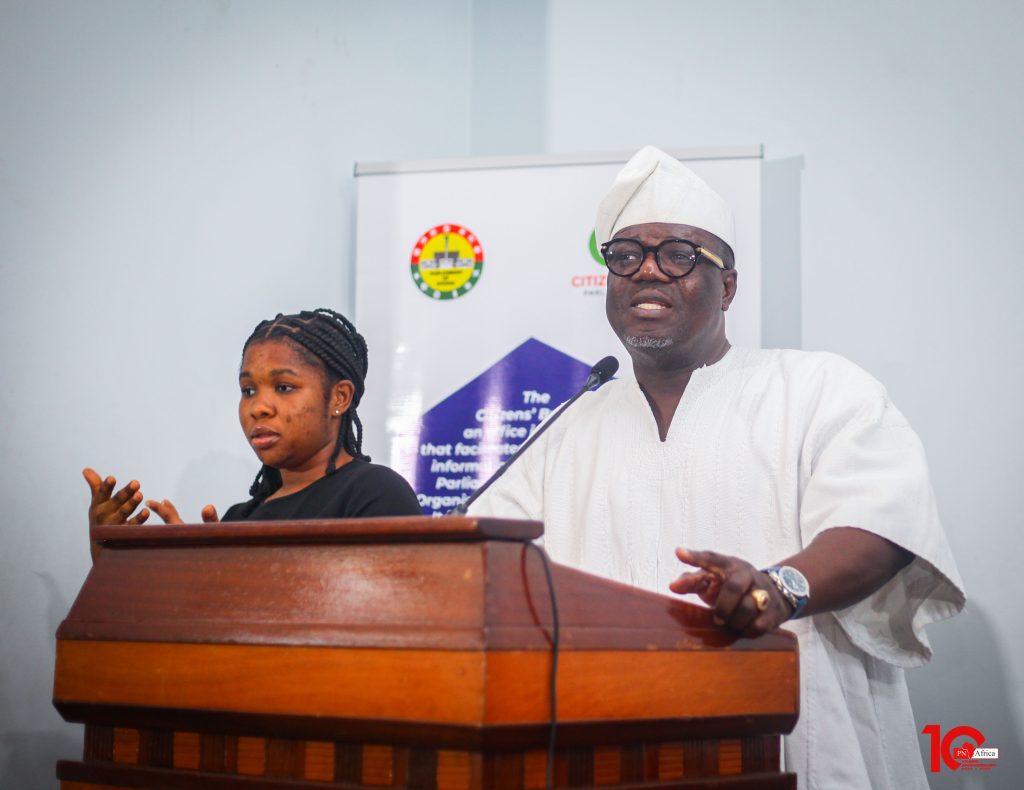
While this procedural mechanism exists to enable Parliament to act swiftly in exceptional circumstances, its frequent use raises important concerns about the depth of scrutiny and public consultation surrounding legislation. Critics at the forum, including the Minority Leader, Alexander Afenyo-Markin, questioned whether the growing reliance on urgency certificates could inadvertently sideline broader public engagement. From the Majority’s perspective, however, the narrative is more nuanced.
The Majority Chief Whip, Rockson-Nelson Etsey Dafeamekpor, explained that parliamentary committees continue to conduct consultations with stakeholders even when bills are introduced under urgency procedures. Both perspectives highlight an important democratic principle: speed should never come at the expense of transparency. If urgency certificates are to remain a legitimate parliamentary tool, their justification must be clearly communicated to the public.
The Minority Question
Another issue that surfaced during the discussions relates to the role of the Minority in a super-majority parliament. Participants raised concerns about delays in scheduling minority motions and questions, as well as representation in international parliamentary delegations. In any democratic legislature, the Minority plays a crucial role in scrutinizing government action and ensuring that alternative perspectives are heard.
When minority participation appears limited, whether procedurally or structurally, it risks eroding public confidence in the fairness of parliamentary processes. Strengthening transparent scheduling procedures and respecting established representation ratios in committees and delegations would go a long way toward reinforcing institutional trust.
A Changing Face of Parliament
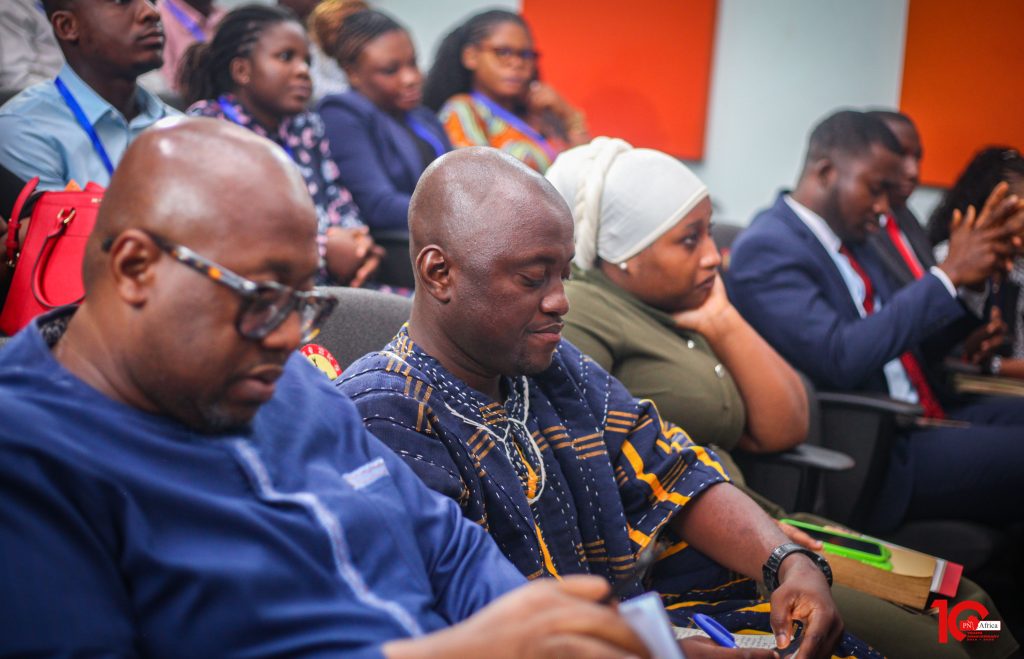

Beyond procedural debates, the research also revealed a notable demographic shift within Ghana’s current legislature. The Ninth Parliament is significantly younger than its predecessors. Approximately 36 percent of MPs are under the age of 45, and nearly 15 percent are under 40. This generational shift could reshape parliamentary priorities, bringing new perspectives to issues such as youth employment, digital governance, and economic innovation.
However, the analysis also highlights a persistent gender imbalance in parliamentary participation. Data from the first three meetings of the session shows that male MPs delivered 81 percent of parliamentary statements, while female MPs accounted for just 19 percent. Although women’s participation increased slightly across the meetings, the gap remains significant. A truly representative Parliament must ensure that diverse voices are reflected not only in membership but also in participation.
Rethinking Parliamentary Productivity
One of the most important takeaways from the CBS dialogue was the need to rethink how parliamentary productivity is assessed. Public criticism of Parliament often focuses on attendance during plenary sittings. Yet the research indicates that MPs maintained attendance levels exceeding 80 percent during the period under review. More importantly, much of Parliament’s work occurs outside the chamber.
Committee deliberations, stakeholder consultations, oversight visits, and constituency engagement all form part of the legislative process. Recognizing this broader scope of parliamentary work is essential for developing a more balanced and accurate assessment of parliamentary performance. At the same time, operational challenges remain. Participants noted that frequent late-night sittings may reduce the effectiveness of debates and place unnecessary strain on members. Reviewing parliamentary sitting hours could therefore improve both productivity and deliberative quality.
Strengthening Citizen Engagement
Perhaps the most significant theme emerging from the discussions was the need to deepen the relationship between Parliament and the citizens it serves. Several participants emphasized the importance of institutionalizing regular town hall meetings during parliamentary recess periods. Such engagements would provide citizens with direct opportunities to interact with their representatives, ask questions, and contribute to policy discussions.
Equally important is improving public access to parliamentary information. Ensuring that bills, committee reports, and legislative updates are readily accessible online would significantly enhance transparency.
The Responsibility of Majority Power
Majority dominance in Parliament is not inherently problematic. In fact, it can facilitate decisive governance and policy implementation. However, majority power carries with it a heightened responsibility to uphold democratic norms, protect minority rights, and maintain public trust. The discussions at the 9th Crystal Ball Series serve as a timely reminder that the strength of a parliamentary democracy lies not merely in the number of seats held by a political party, but in the fairness, openness, and inclusiveness of the legislative process.
As Ghana’s Ninth Parliament continues its work, the challenge ahead is clear: to ensure that legislative efficiency is matched by democratic accountability. Only then can Parliament fully fulfill its constitutional mandate as the voice of the people.
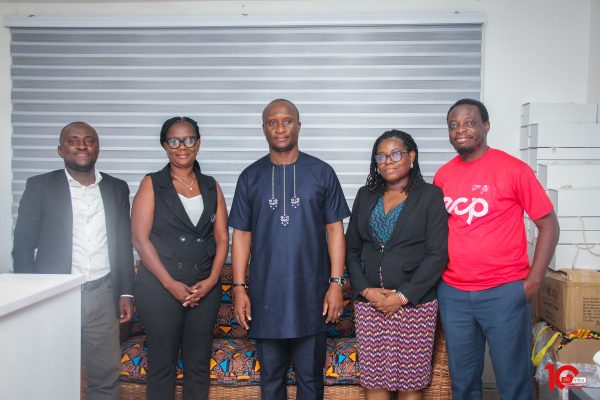
Explore more pictures from the event via: https://tinyl.io/CJWV